

When the power goes out, light is usually the first thing you miss.
During a short power outage, your phone’s flashlight and a couple of candles might feel “good enough”. But once the outage lasts longer, you quickly discover how limited and unsafe that setup is, especially if you need to cook, keep children calm or step outside to check what’s going on.
This guide walks through practical emergency lanterns and flashlights that keep your home usable during a blackout, and that fit neatly into a broader blackout preparedness plan with a portable power station and a solid emergency kit.
Why Dedicated Emergency Lighting Still Matters
Your phone is perfect for communication, news and apps, but it is a poor primary light source in an emergency.
In a longer power outage, you want to preserve phone battery for:
- Contact with family, neighbours or emergency services
- Access to news, weather and outage updates
- Apps that support your emergency preparedness
Dedicated lanterns and flashlights give you:
- Safe, comfortable ambient light for entire rooms
- Directed light for checking breakers, valves and equipment
- Hands-free options (headlamps) for cooking and repairs
- Much longer runtimes than a phone flashlight at full power
That turns your home from “dark and stressful” into “inconvenient, but under control”.
Lantern, Flashlight or Headlamp – What’s the Difference?
A small, well-chosen set of lights is more valuable than a drawer full of random gadgets. In a complete emergency lighting setup, these three types work together.
Lanterns – For Rooms and Shared Spaces
Lanterns provide 360-degree light and are ideal for:
- Keeping the living room or kitchen usable
- Eating, reading and playing games with the family
- Lighting a hallway, bathroom or staircase throughout the evening
For indoor emergencies, a lantern in the 200–500 lumen range is usually enough to make a room comfortable without being blinding.
Flashlights – For Targeted Tasks
A good flashlight is your tool for focused tasks where you need to see exactly what you are doing:
- Inspecting the breaker panel or fuse box
- Checking the garden, shed or garage
- Looking for damage after a storm
For home use, a compact LED flashlight with several brightness levels is often more practical than a huge “tactical” torch.
Headlamps – For Hands-Free Work
A headlamp becomes essential when you need both hands:
- Cooking during a blackout
- Caring for children at night
- Working on plumbing, wiring or equipment
Headlamps deserve a fixed place in any 72-hour emergency kit. They put light exactly where you look and keep your hands free.
Key Features to Look For to find the best emergency lanterns and flashlights
1. Power Source and Runtime
Power source determines how usable your light is in a real emergency. Common options:
- AA/AAA batteries
- Easy to stock in your emergency supplies
- Simple and reliable
- Built-in rechargeable battery (USB-C)
- Convenient for everyday use
- Easy to recharge from a portable power station or power bank
- Hybrid systems (rechargeable plus standard batteries)
- Most flexible for extended power outages
When comparing lanterns and flashlights, do not just look at maximum runtime on the brightest mode. Focus on how long they run on low or medium, because those are the settings you will use most during a long blackout.
2. Brightness (Lumens) and Modes
More lumens is not always better. For indoor emergencies:
- 40–100 lumens: enough for a small area or tent
- 200–300 lumens: good for a small room
- 300–600 lumens: comfortable for larger rooms or work areas
More important than one extreme “turbo” mode:
- Several brightness levels (low, medium, high)
- A very efficient low mode that runs for many hours or days
- Optionally a warm-white mode that is gentler on the eyes
Strobe modes are rarely useful for home emergency preparedness. Calm, steady light is what you will use.
3. Durability and Water Resistance
Many large power outages happen during storms, heatwaves or heavy snow. Your lighting should be able to handle that.
Look for:
- Solid housings (not thin, creaky plastic)
- At least basic water resistance if you might use them outdoors
- Stable bases or hanging options so they do not topple when bumped
You are not buying decor. You are buying tools that may sit unused for months and then be thrown into action when stress is high.
4. Simplicity Under Stress
In a dark, quiet house with tired children, you want simple controls.
Prefer lights with:
- Clear, physical buttons or a simple dial
- Obvious on/off behaviour
- Easy access to a usable mode in a single press
If a light requires you to remember a complicated click pattern to get to the right setting, it is not ideal for emergency use.
Recommended Types of Emergency Lights for Most Homes
1. Main Lantern for Home Blackouts
Use case:
Primary light source for living room, kitchen or main gathering space.
Look for a lantern with:
- 360-degree LED light up to around 400–600 lumens
- Built-in rechargeable battery and or support for AA or D batteries
- Stable base plus a handle or hook
- Basic splash protection
- USB-C charging and, optionally, a small power-bank function for phones
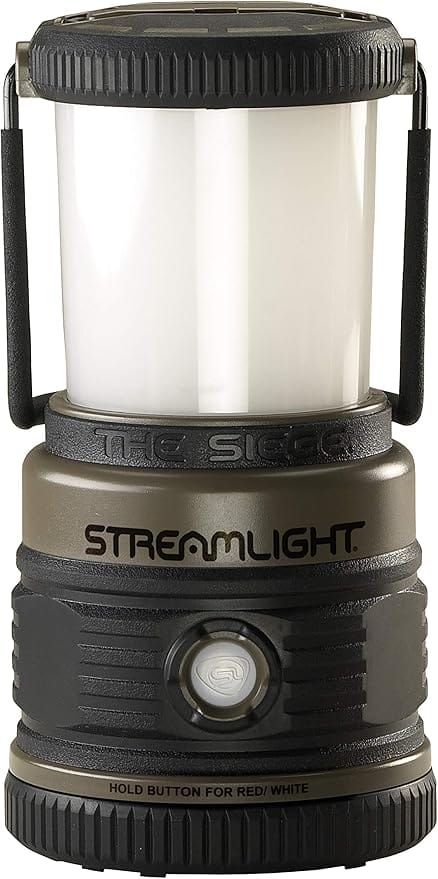
This is the lantern you switch on first when the power goes out and you want the home to feel “normal” again.
2. Budget Lantern Set for Whole-Home Coverage
Use case:
Affordable way to light several rooms at once.
Collapsible LED lanterns sold in 2- or 4-packs are ideal if you want to:
- Place one in each bedroom
- Have a dedicated lantern in the hallway and bathroom
- Hand out lights to family members
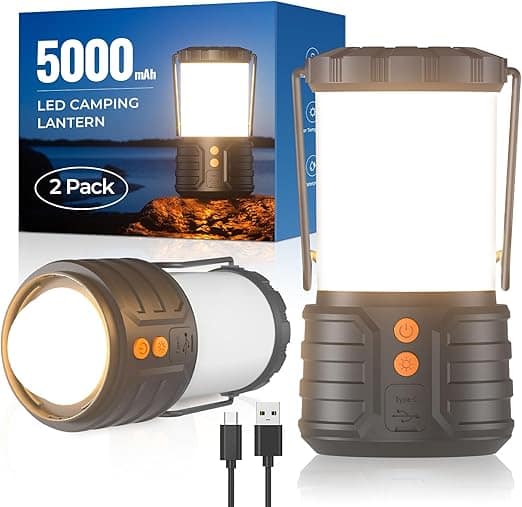
Build quality is simpler than on premium lanterns, but for blackout preparedness the ability to light multiple rooms at the same time is often more important than advanced features.
3. General-Purpose Flashlight for Inspection and Outdoor Checks
Use case:
Checking the fuse box, going outside, inspecting the roofline or garden, walking to a neighbour.
A good general-purpose flashlight should have:
- 300–1000 lumens, depending on your environment
- A usable low mode for indoor work
- Simple tail switch or side button
- Rechargeable battery or standard AA or AAA cells
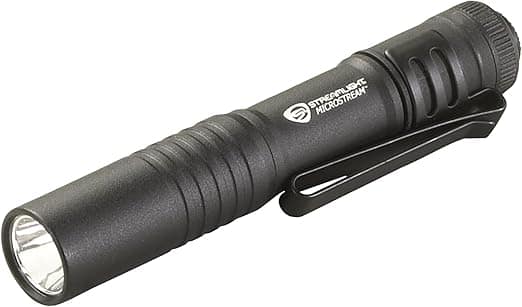
It is smart to store at least one flashlight:
- Near the main entrance
- Close to the breaker panel
- In or next to your emergency kit
4. Headlamp for Hands-Free Tasks
Use case:
Cooking, repairs, childcare at night, carrying items up and down stairs.
A practical headlamp for emergencies should offer:
- A comfortable, adjustable strap
- A lightweight body
- At least two brightness levels plus a low mode
- Rechargeable battery or the same AA or AAA cells you already stock
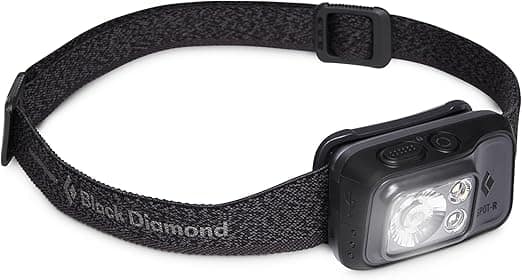
Headlamps are especially valuable when combined with other emergency gear like a portable power station, first-aid kit and battery-powered emergency radio.
5. Small Backup Lights for Redundancy
Use case:
Bridging the gap between “everything is dark” and “I have found the main lantern”.
Small backup lights can include:
- Keychain flashlights
- Slim credit-card LED lights
- Simple single-AAA flashlights
These are perfect to keep:
- On your keyring
- In your wallet or handbag
- In bedside drawers
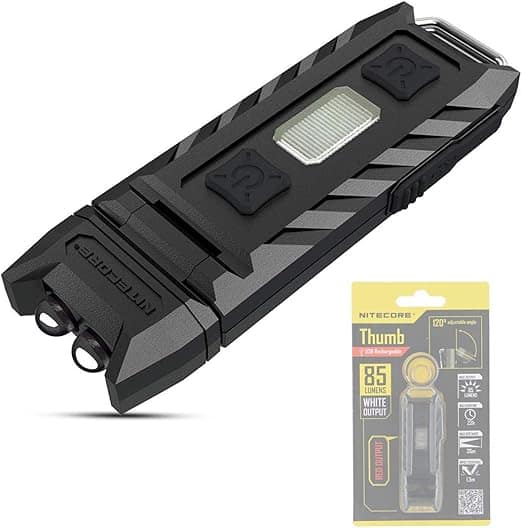
They will not light an entire room, but they make it much easier to get to your main emergency lighting.
How Much Lighting Does a Typical Household Need?
Every home is different, but a realistic baseline could be:
- 2 main lanterns – one for the living area, one for kitchen or hallway
- 1 budget lantern set (2–4 units) – to cover bedrooms and bathrooms
- 2 flashlights – one by the front door, one near the breaker panel or emergency kit
- 2–3 headlamps – ideally one for each adult
- A handful of small backup lights scattered in logical places
The goal is simple: when the power goes out, every important room in the house should have at least one reliable light source, and each adult should have a personal, hands-free option available.
Integrating Emergency Lighting Into Your Preparedness Plan
Emergency lighting works best as part of a broader blackout preparedness plan that also covers:
- Water storage and basic purification
- A realistic emergency food supply your household will actually eat
- A well-thought-out 72-hour emergency kit
- Backup power for phones, routers and critical devices
- An emergency radio to stay informed
Preparedness is not about collecting gadgets. It is about calmly identifying where your home is vulnerable and addressing those points step by step.
A few well-chosen emergency lanterns, flashlights and headlamps remove a surprising amount of stress from any power outage, whether it lasts a few hours or a couple of days.
You cannot control when the grid fails.
You can decide whether your home disappears into darkness when it does.